
The Literary Marketplace
Martin EdenThis thread tracks Martin’s encounter with editors, publication practices, exploitation, and the unstable rewards of commercial success.
increasing Bearing strength in each event
 decreasing
Bearing strength in each eventdecreasingImagined Rates

A Market Misread
Optimistic calculations
Martin reads newspaper claims about writers’ fees and assumes that published work will quickly bring substantial income. He counts imagined earnings before learning that editors may take weeks to respond.
The first lesson
Returned manuscripts and silence replace the checks he expects. He discovers that technical correctness, talent, and effort do not guarantee access to publication.
An Editorial Machine

Rejection Without Explanation
Anonymous decisions
Martin receives standard rejection slips and begins to imagine publishers as mechanical systems rather than human readers. No editor explains what is wrong or offers guidance.
Isolation deepens
The lack of response leaves him unable to distinguish a poor manuscript from an unsuitable market. Postage and delays also drain the money he needs to keep submitting.
The Five-Dollar Shock

Payment Defies Expectation
Praise without a fair fee
Transcontinental Monthly accepts The Ring of Bells but offers only five dollars for five thousand words. Martin had believed established magazines paid much more and on acceptance.
A crisis of belief
The small payment makes him doubt the entire writing career. He decides to seek ordinary work, believing that misleading claims about writers’ earnings have wasted years of effort.
The Editor’s Office

Payment by Confrontation
Face-to-face evasion
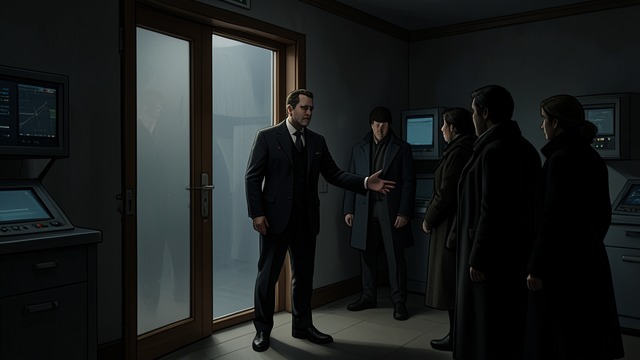
Martin visits Transcontinental Monthly and finds its staff praising his story while avoiding payment. Their explanations confirm that admiration can coexist with a refusal to honor a debt.
Physical collection
When the business manager tries to leave, Martin seizes him and collects nearly the promised amount from the staff’s pockets. The encounter replaces his imagined editorial world with a messy human institution.
Late Recognition
The Market Reverses Course
New offers
Editors who once rejected Martin’s work now solicit manuscripts and offer large sums. His stored essays and stories become valuable after public attention establishes his name.
The unresolved judgment
Commercial success vindicates his ability to sell, but not his faith in the literary establishment. He believes the market’s sudden approval owes much to timing and publicity rather than a fair assessment of the work.
When Martin first begins submitting work
During the months of repeated submissions
After The Ring of Bells is accepted by Transcontinental Monthly
On Martin’s visit to collect the overdue five dollars
After Martin’s books gain wide attention
